
Skyroot Aerospace: The Hyderabad Startup Racing to Put India’s Private Space Ambitions Into Orbit
On the outskirts of Hyderabad, away from the noise of consumer tech and enterprise SaaS, a small team of engineers is working on a problem far removed from pitch decks and growth hacks: how to build reliable, low-cost launch vehicles for space.
That team is Skyroot Aerospace, one of India’s most promising upcoming deep-tech startups—and a quiet symbol of how the country’s startup ecosystem is beginning to stretch beyond software.
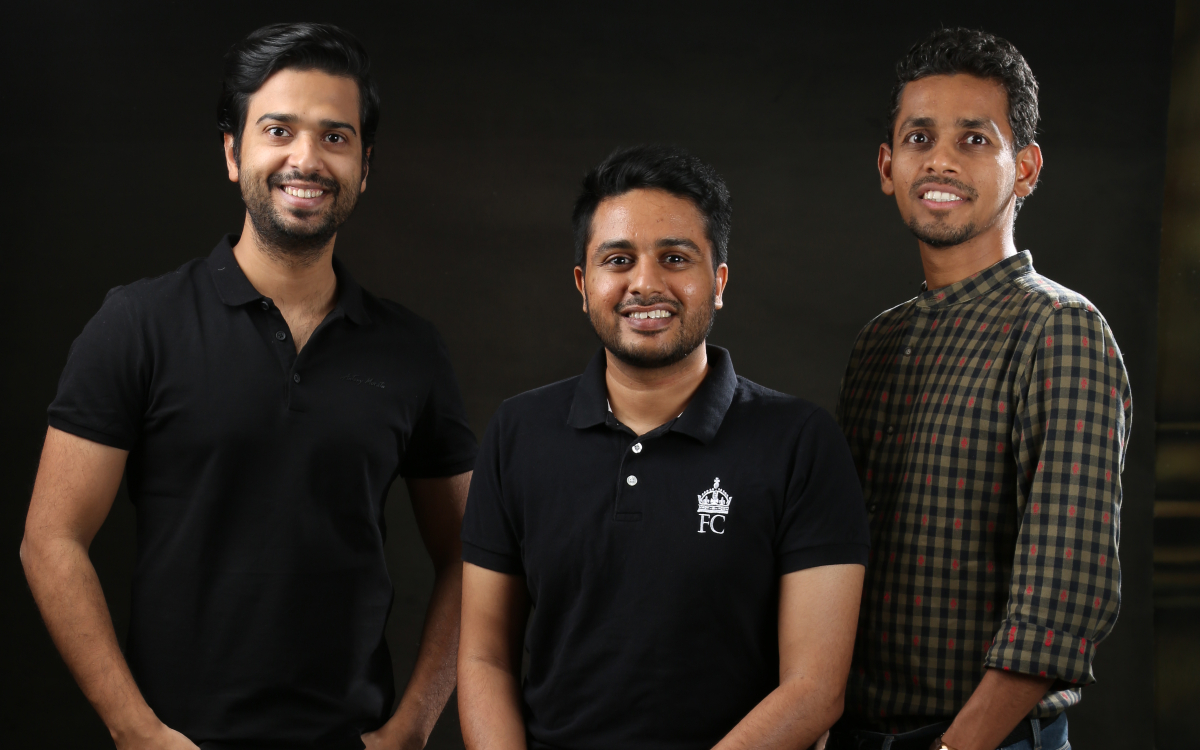
Founded by former ISRO scientists Pawan Kumar Chandana and Nagaraja Pulluraju, Skyroot is building small satellite launch vehicles designed for speed, flexibility, and cost efficiency. Its flagship rocket series, Vikram, is aimed at the fast-growing global market for small satellite launches—a segment dominated today by a handful of international players.
Why Skyroot Matters Now
The timing is critical.
Global demand for small satellite launches has surged due to growth in earth observation, communication constellations, and defence applications. At the same time, India has opened up its space sector to private participation, creating a rare window where policy, talent, and market demand are aligned.
Skyroot sits squarely at this intersection.
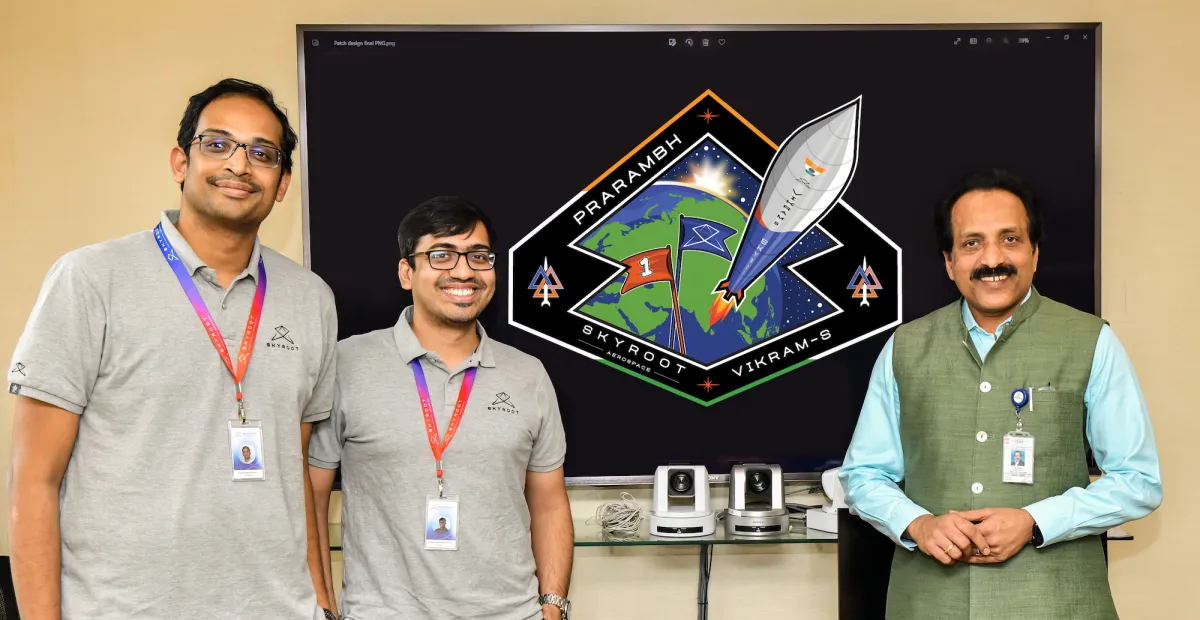
In 2022, the company successfully launched Vikram-S, India’s first privately developed rocket to reach space—a suborbital mission that validated core technologies and proved execution capability. Since then, Skyroot has been moving steadily toward orbital launch readiness, focusing on engineering rigor rather than publicity.
Hyderabad as a Strategic Base
Skyroot’s choice of Hyderabad is no accident.
The city has long been home to major ISRO facilities, defence research organisations, and aerospace suppliers. This has created a talent pool of propulsion engineers, materials specialists, and systems designers—skills that are rare and difficult to assemble quickly elsewhere.
Unlike software startups, aerospace companies benefit from low churn and long-term teams, something Hyderabad offers better than most Indian cities.
“Space engineering rewards patience,” said an industry executive familiar with the company. “You don’t want people leaving every 12 months.”
Building Hardware in a Startup Ecosystem Built for Software
What makes Skyroot especially notable is that it is building hard engineering infrastructure in an ecosystem historically optimised for software.
Rocket engines, launch vehicles, and ground systems demand years of testing, capital discipline, and regulatory coordination. Failure is expensive and public. Iteration cycles are long.
Skyroot’s progress so far suggests a deliberate strategy: move methodically, validate subsystems, and avoid the temptation to oversell timelines.
This approach contrasts with the broader startup culture—but aligns closely with aerospace realities.
The Road Ahead
Skyroot’s next milestones include orbital launches, commercial contracts, and deeper integration with global satellite operators. Success is far from guaranteed—space is unforgiving—but the company has already crossed barriers that once seemed impossible for an Indian private startup.
More importantly, it represents a shift in what “startup success” can look like in India:
not just apps and platforms, but physical systems with national and global implications.
Why We’re Watching
Skyroot Aerospace is still early in its journey, but its ambition is unmistakable. If it succeeds, it won’t just create a valuable company—it will help redefine India’s role in the global space economy.
For Hyderabad, it signals something even bigger: the city is no longer just building software for the world. It’s beginning to build machines that leave the planet.