

PURE EV: The Hyderabad Startup Betting on Indigenous Electric Mobility for India’s Mass Market
While much of India’s electric vehicle conversation is dominated by high-valuation startups and premium scooters, a quieter effort is underway in Hyderabad to build indigenous EV technology for mass adoption. At the centre of this effort is PURE EV, a homegrown electric mobility company focused on affordability, localisation, and in-house engineering.
Founded by Nishanth Dongari, PURE EV began not as a scooter brand, but as a battery and powertrain research venture emerging from academic research. That origin continues to shape how the company operates—placing technology ownership ahead of rapid branding.
Why PURE EV Stands Apart
Unlike many EV startups that assemble imported components, PURE EV has invested heavily in in-house battery technology, power electronics, and vehicle control systems. This allows tighter control over costs, performance, and safety—critical factors in India’s price-sensitive two-wheeler market.
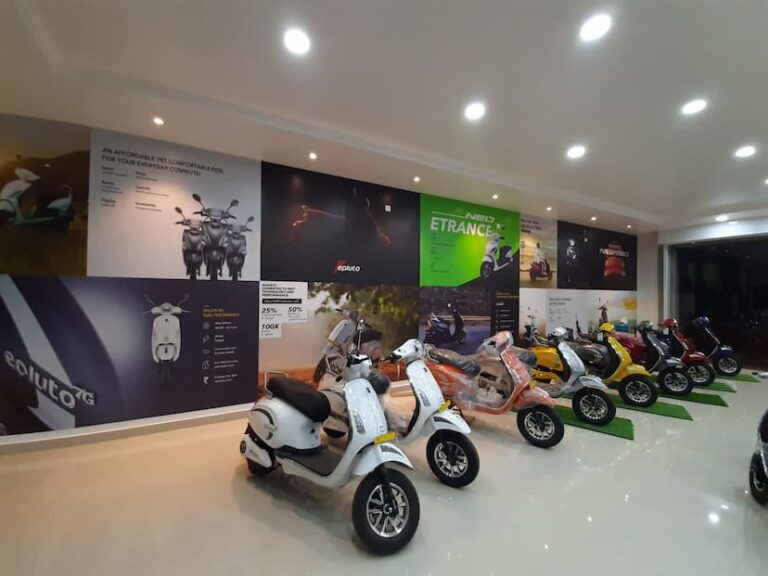
The company’s scooters are positioned not as lifestyle products, but as daily-use vehicles for commuters, students, and delivery riders—segments where reliability matters more than design flair.
Industry observers note that this grounded positioning has helped PURE EV build steady demand without burning capital aggressively.
Hyderabad’s Role in the EV Push
Hyderabad’s manufacturing ecosystem plays a key role in PURE EV’s strategy.
The city offers access to electronics manufacturing talent, testing infrastructure, and academic research institutions—an advantage for EV companies building core components rather than outsourcing them. Lower land and operational costs compared to coastal manufacturing hubs have also enabled the company to invest in production capacity earlier than many peers.
More importantly, the ecosystem encourages engineering-first decision-making, a necessity in EVs where failures can be both costly and dangerous.
Scaling Carefully in a Volatile Market
India’s EV sector has seen rapid expansion—and equally rapid corrections. Subsidy changes, quality issues, and price wars have exposed weaknesses in poorly engineered products.
PURE EV has responded by scaling cautiously, focusing on product iterations, dealership quality, and after-sales service rather than headline-grabbing expansion. This slower approach has helped it avoid some of the reliability controversies that have plagued parts of the sector.
The company is also working on next-generation battery platforms aimed at improving thermal stability and lifecycle performance—areas under increasing regulatory scrutiny.
Competition Without Excess Capital
Operating without the deep war chests of venture-backed rivals, PURE EV’s growth strategy relies on capital efficiency and localisation. Instead of chasing market share through discounts, the company is betting that consistent performance and lower maintenance costs will drive word-of-mouth adoption.
This approach may limit short-term scale—but could strengthen long-term survivability in a sector where many players are still unproven.
Why We’re Watching
PURE EV represents a different vision of India’s electric future:
less spectacle, more substance.
As EV adoption spreads beyond metros and early adopters, companies that understand Indian operating conditions—not just branding—are likely to endure. PURE EV’s Hyderabad-based, engineering-led model makes it one of the more credible contenders in that race.
For BharatCEOs, it’s exactly the kind of upcoming startup worth watching—not because it’s loud, but because it’s building quietly in a sector where execution matters more than promises.