


Beyond Founders: How Decisions Are Really Made in India’s Growth Economy
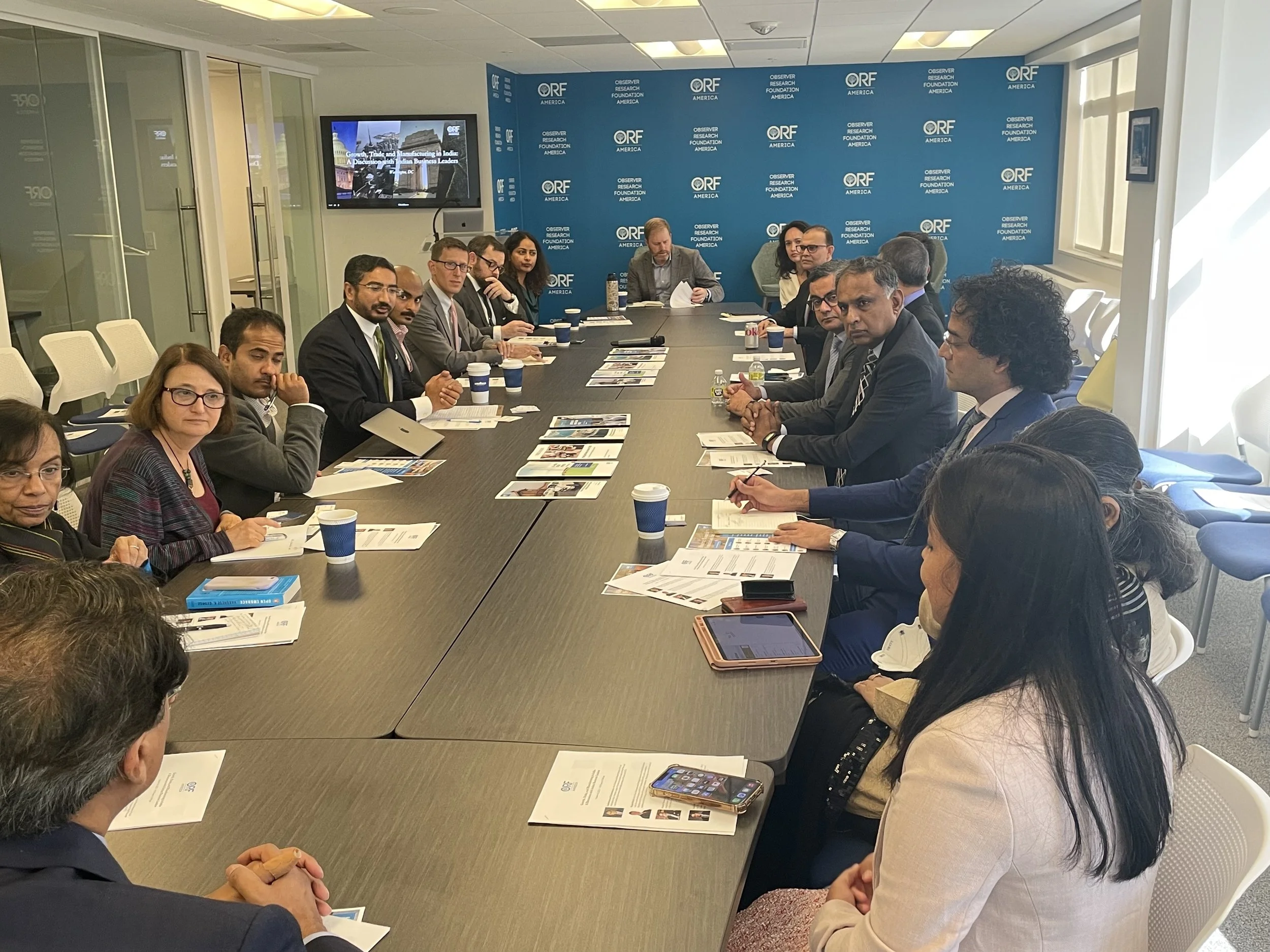
This episode of the BharatCEOs Podcast brings together people who rarely sit at the same table—but whose decisions shape outcomes together.
Participants:
- Anurag Sharma — CEO, Cyient DLM
- Sanjeev Bikhchandani — Founder & Executive Vice Chairman, Info Edge
- Aparna Sinha — Senior Product Leader, Google (Hyderabad presence)
- Ramesh Loganathan — Professor & Head of Innovation, IIIT Hyderabad
Recorded in Hyderabad.
What This Conversation Was Really About
This wasn’t a founder story.
It was about how decisions collide—capital, execution, policy, and product—inside India’s fast-evolving economy.
Key Threads From the Discussion
On why founders don’t see the full picture
Sanjeev Bikhchandani is blunt.
“Founders often think outcomes depend only on effort. They don’t. Timing, capital structure, and governance matter just as much.”
Anurag Sharma nods.
“On the manufacturing side, one bad decision upstream can destroy margins for years.”
The table agrees: startups underestimate second-order effects.
On operators versus visionaries
Aparna Sinha shifts the tone.
“Vision without operational discipline creates fragile systems.
At scale, boring decisions keep companies alive.”
There’s laughter—but also agreement.
On policy, academia, and industry not talking enough
Ramesh Loganathan points out a deeper issue.
“India has talent, capital, and ambition—but they operate in silos.”
He argues that innovation ecosystems fail not due to lack of ideas, but lack of coordination.
On Hyderabad as neutral ground
Unlike Bengaluru or Delhi, Hyderabad allows these conversations without posturing.
“There’s less signalling here,” one participant notes.
“You can disagree without it becoming a performance.”
That matters.
Why This Episode Is Different
This episode isn’t inspirational.
It’s explanatory.
It shows how:
- investors think in cycles
- operators think in constraints
- policy leaders think in systems
- and founders often sit at the intersection—misunderstanding all three
Understanding this gap, the panel agrees, is what separates companies that survive from those that merely trend.
Editor’s Note:
The BharatCEOs Podcast is not about celebrating individuals. It’s about documenting how influence, incentives, and decisions interact in the real economy. This episode reflects that mission clearly.